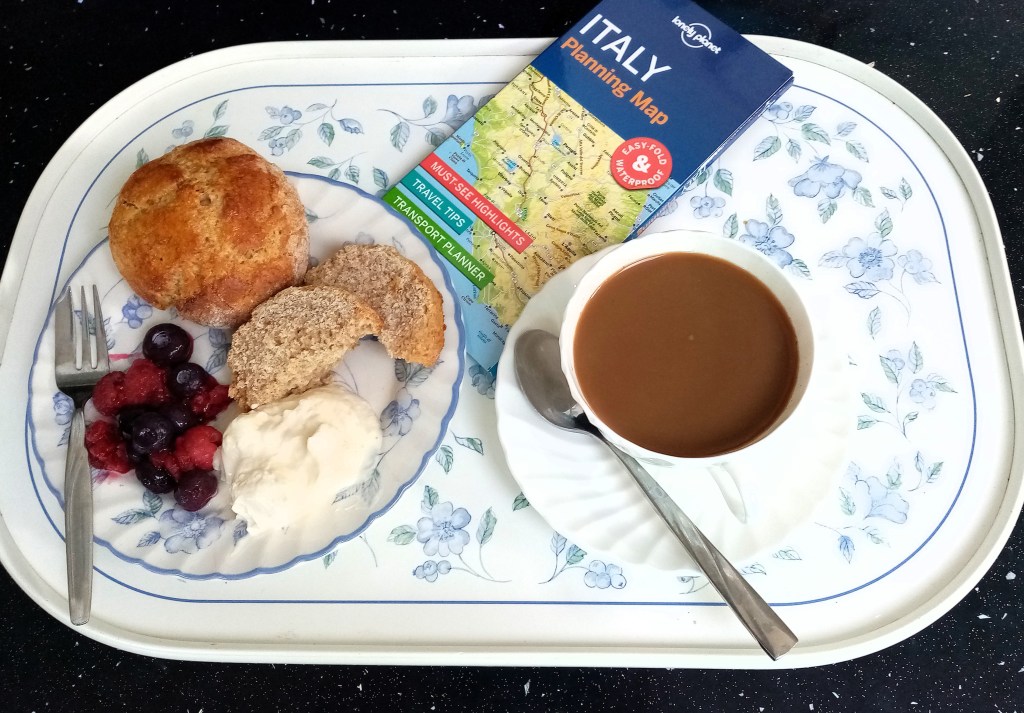
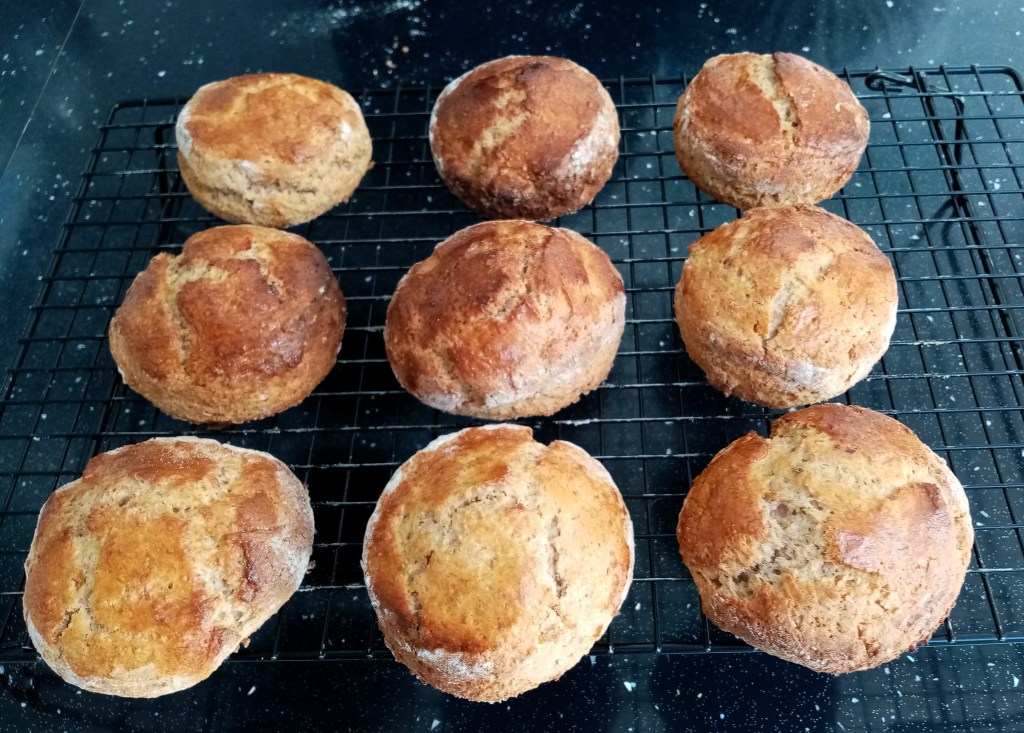
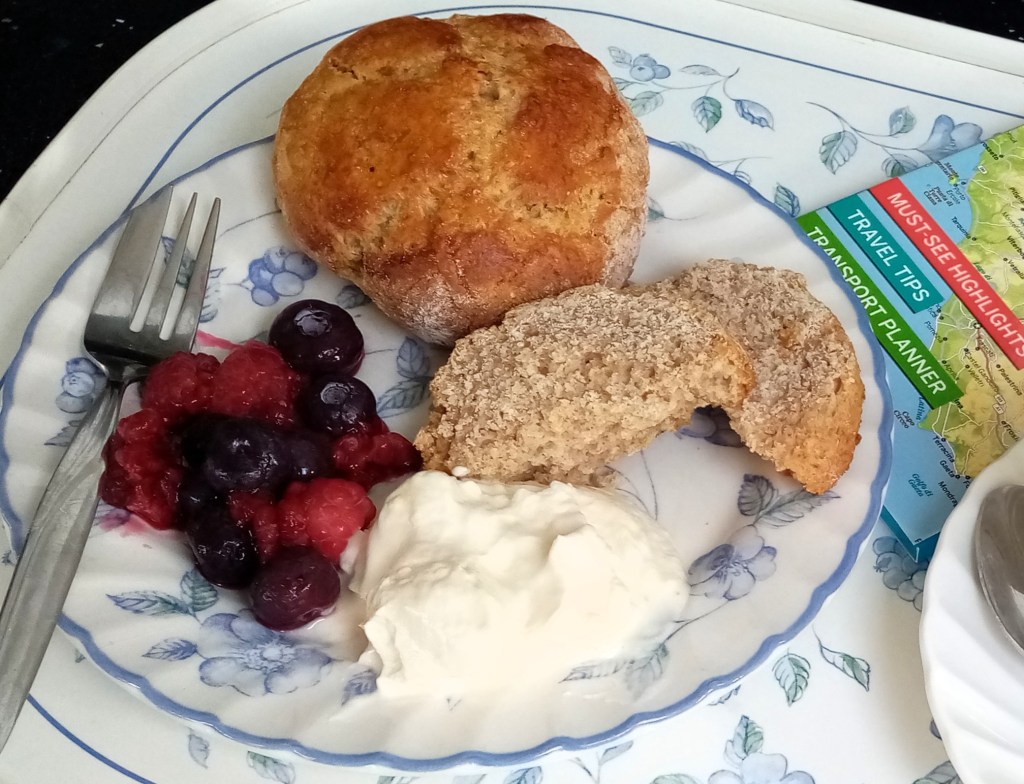
These scones aren’t meant to be glitzy and fancy. They’re tasty basic no-nonsense bakes. I put the recipe together when I found a part used jar of marmalade in the fridge. It was still in date and seemed to be saying “Come on, either eat me or put me to some other good use.” I’d already had breakfast so went for option 2.
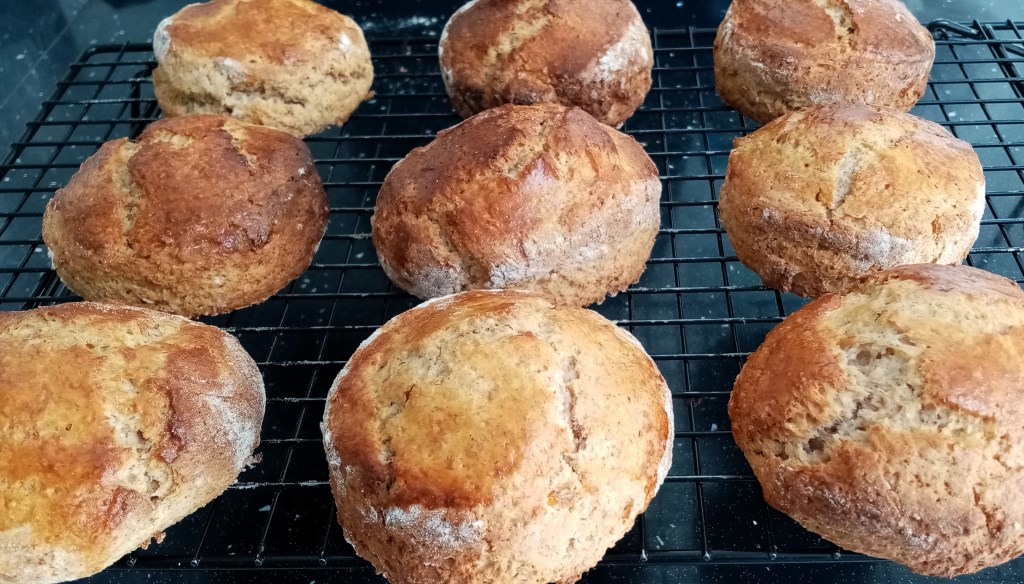
Makes: About 10 scones
Level: Easy
Time: Hands on/prep: 40 minutes. Baking: around 20 minutes, (so, if you don’t faff around you could have them ready in an hour – there’s a challenge!)
Need: No special equipment, just the basics and a 6cm cutter
Ingredients
- 425g/15oz plain flour (225g/8oz white, 200g/7oz wholemeal)
- ½ tsp salt
- 1 – 2 tsp cinnamon
- 60g/2¼oz butter
- 50g/2oz golden caster sugar
- 2 medium eggs (keep some to glaze)
- 125g/5oz – 150g/6oz marmalade
- 100ml/4fl oz – 125ml/5fl oz milk or buttermilk
Method
Pre: Heat the oven to 200°C / Fan 180°C / 400°F / gas 6. Put two trays in the oven. Cut two sheets of parchment to fit the trays.
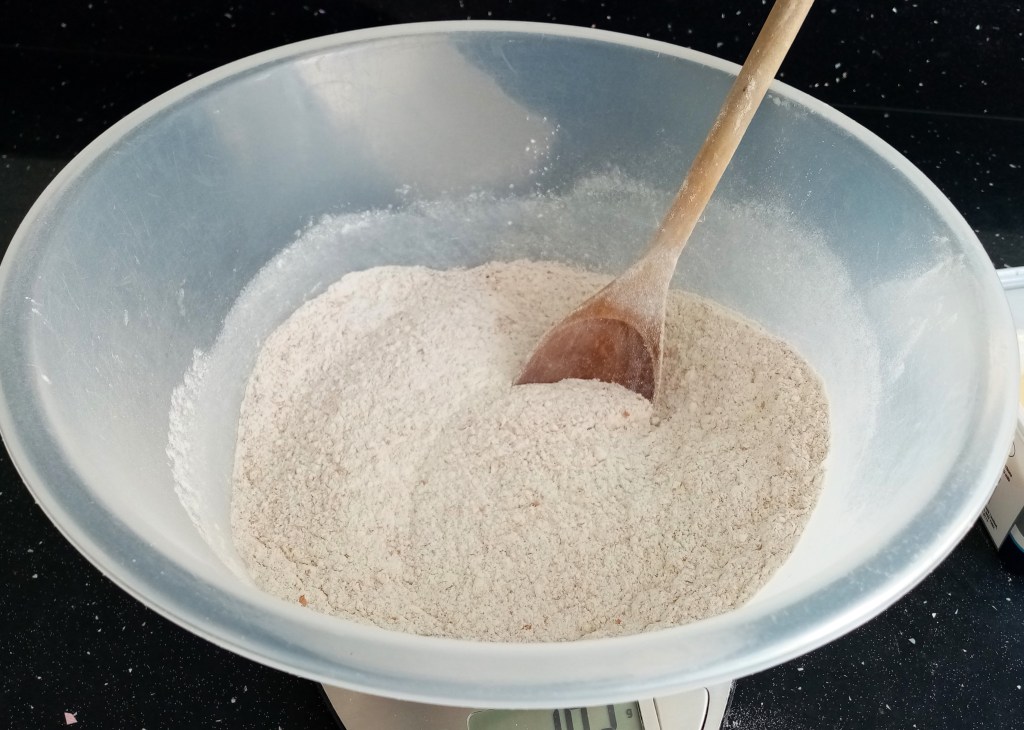
1. Sift flours, salt and cinnamon together into a large bowl
2. Cut butter into flours then rub in or use a processor. Stir in the sugar.
3. Beat the eggs and combine 1½ with the marmalade, then add the milk. (Keep about ½ egg for glazing. You could also have some milk in reserve. The dough shouldn’t be dry or flaky.)
4. Combine the wet and the dry mixtures into a soft dough.
5. Knead very lightly and roll out on a floured surface to a thickness about the same as the depth of your cutter.
6. Stamp out rounds without twisting the cutter. Dip the cutter into flour regularly.
7. Take the hot trays out of the oven. Place the cut sheets on top and lightly dust with flour. Place unbaked scones on each sheet, leaving plenty of space between them. Brush each one with egg wash.
8. Bake in pre-heated oven for 16 – 20 minutes. (I like to turn the trays around and swap shelves halfway through the bake. Technically, this is frowned upon as it lowers the oven temperature, but I work very quickly and maybe add an extra minute to the second half. I find that it gives a more even bake even though I have a fan oven.


I hope you enjoy baking and eating these scones. For more scone recipes click this link. Here are some more of my scones that you might like to try:
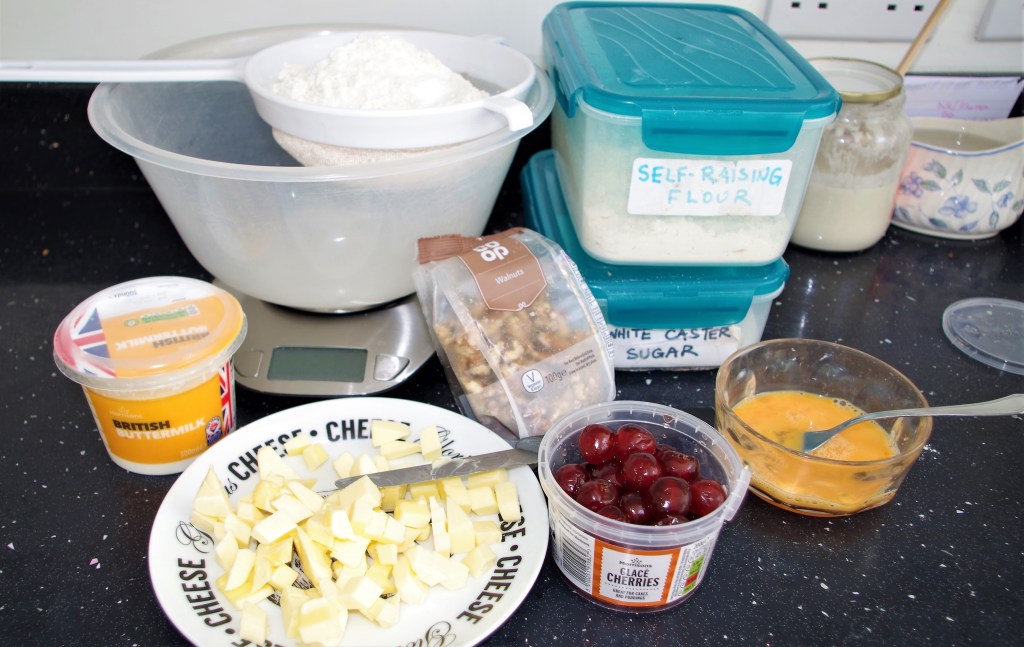
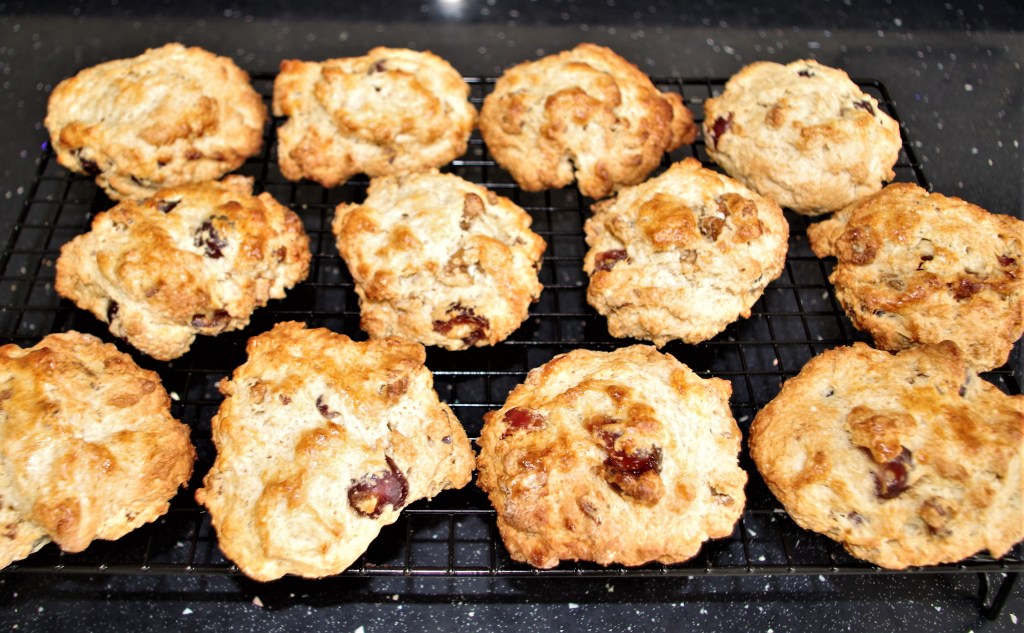
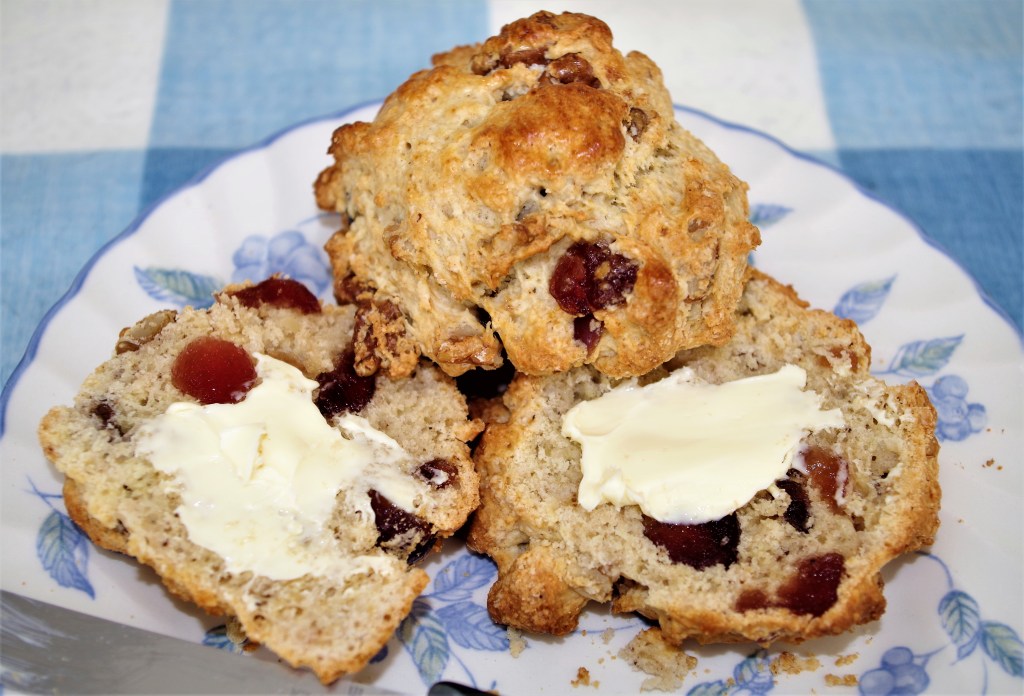
Cherry and Walnut Rustic Scones
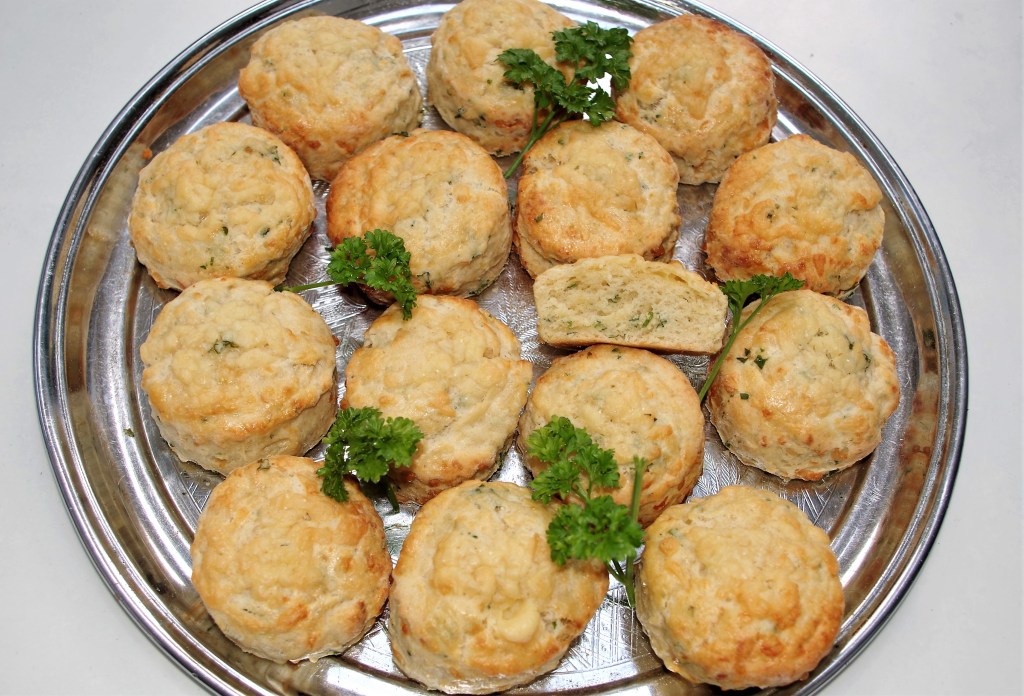
Blueberry and White Chocolate Buttermilk


If you’d like to make a comment or ask a question please do, via the contact page, or have a look at the rest of my site for lots of other great sweet and savoury recipes.
Here are a few Scone facts:
The word “scone” originated from the Scottish word “skonn” which means “to cut, slice or break off”.
The “Devon Way” of enjoying a cream tea is to spread clotted cream on the scone first, followed by jam. The “Cornish Way” is the opposite, with jam spread first, followed by cream. (Queen Elizabeth II enjoyed her scones with jam first, followed by clotted cream.)
Scones were originally much larger. Scones originated from the Scottish ‘bannock’, which is derived from the Gaelic for cake and made using a thin, round, flat combination of oats and wheat flour.
The largest scone ever made weighed 141.8 kilograms (312.8 pounds) and was baked in Northern Ireland in 2017 by Neill’s Flour, Patton’s Bakery, celebrity chef Jenny Bristow, and students from the Belfast Metropolitan College.
 Retired Bloke on Food n stuff