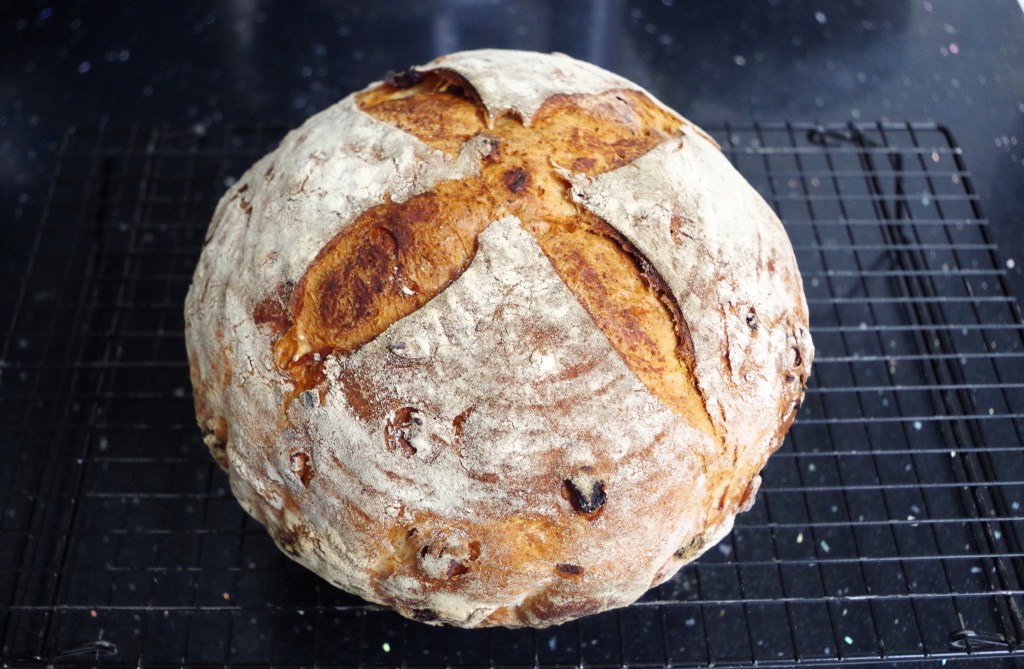
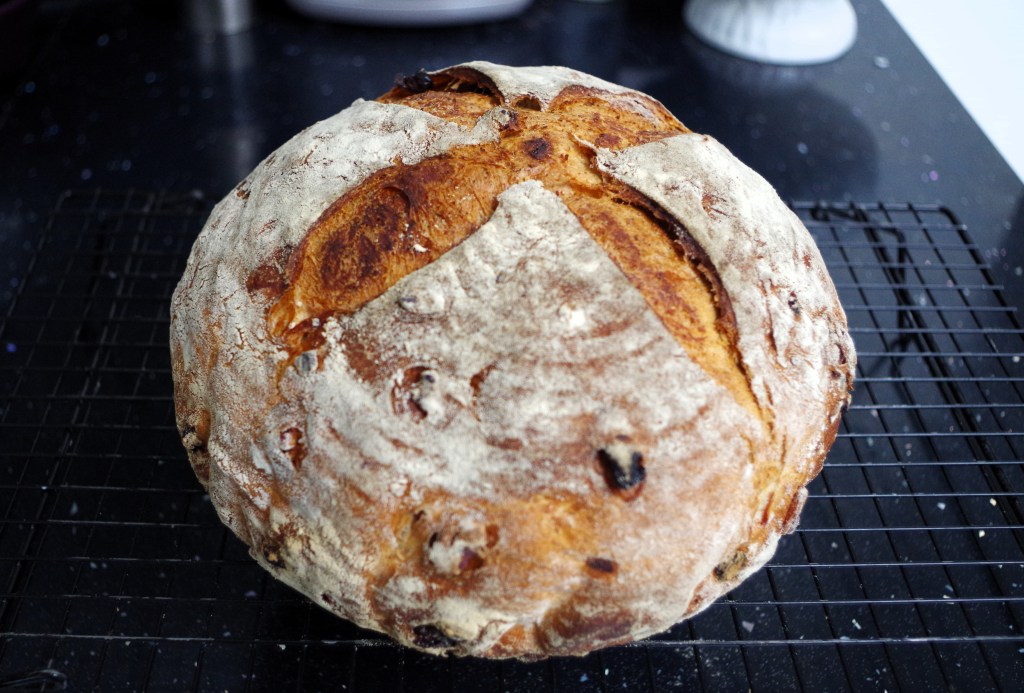
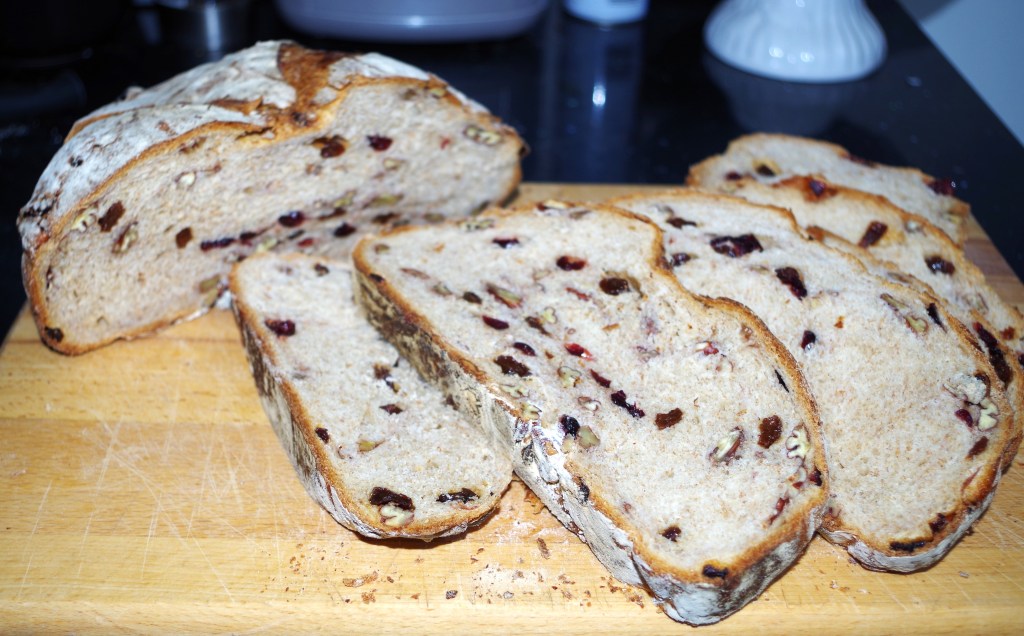
Here’s a really nice festive loaf that’s equally good all year round too. It’s sweet but not over-sweet, so will happily welcome cheese or honey or even both together. I’m going to give two methods to make it.
Makes: One loaf – about 12 – 15 slices
Level: Reasonably easy, especially if you’ve made bread previously
Time: Initial hands-on: 15 – 20 minutes. First prove: 60 – 90 minutes, depending on conditions. Second hands-on: 10 – 15 minutes. Second prove: 40 – 75 minutes. Baking: up to an hour, depending on the method used.
Need (ideally/or replace with) – a stand mixer (or strong hands and arms and a large bowl), a banneton (or a medium bowl), a dutch oven (or a lidded casserole dish or just a baking tray)
Ingredients
- 300ml/10fl oz lukewarm water
- 50ml/1¾fl oz maple syrup
- 7g instant yeast
- 300g/10oz strong white flour
- 200g/7oz strong wholemeal flour
- 7g fine salt
- 50g/1¾oz caster sugar (white or golden)
- 50g/1¾oz soft butter or baking spread
- 125g/4½oz pecans, broken into pieces
- 125g/4½oz dried cranberries (or use 75g/2½oz cranberries + 50g/1¾oz raisins)
Method
1. Warm the water and maple syrup then stir in instant yeast and set aside for five minutes. (Don’t overheat it – just tepid is fine.)
2. Meanwhile, put the flours, salt and caster sugar in a large bowl (or the bowl of your stand mixer) and mix together.
3. Stir in the soft butter and the yeasty liquid. Mix to form a dough.
4. Knead well. (10 – 15 minutes by hand; 7 – 9 minutes using the dough hook in your mixer)
5. Place into a lightly oiled bowl, cover and leave in a warm place until the dough has doubled in size.
6. Knock back the dough and roll it out on a lightly floured surface. Spread at least half of the nuts and cranberries over the surface then lift the edges over to cover them and repeat until all the nuts and cranberries are mixed in and well distributed.
7. Shape the dough into a ball using cupped hands to draw the outer surface taught under the ball.
8a. If you are using a banneton, flour it well and invert the floured ball of dough into it. Cover or place inside a proving bag (I use a black bin liner). Leave somewhere warm until it has proven and risen a second time.
8b. Without a banneton, place the ball of dough onto a parchment lined baking sheet or tray and place inside a proving bag as above.
9a. (Cold start method – my preference) Gently invert the risen dough from your banneton (or bowl) onto a piece of parchment paper. Snip a few cuts into the edges of the parchment and lift it into the COLD Dutch oven (or lidded casserole dish). Use a razor blade or very sharp knife to cut a few slashes on the dough. Put the lid on the Dutch oven and place it inside you main oven. Turn the oven on to 220°C / fan 200°C / 425°F / Gas 7. Bake for 50 minutes then remove the lid of the Dutch oven and bake for a further 10 minutes.
9b. (Pre-heated oven method) If you have neither a Dutch oven nor a lidded casserole dish you will need to turn your oven on to come up to temperature. Then simply invert the risen dough onto a parchment lined baking sheet. (If your dough is wet and/or not strongly formed I’d advise you to have a scattering of flour or semolina or polenta on the parchment; this will help to avoid the dough spreading too much.) Bake the dough for about 30 – 40 minutes.
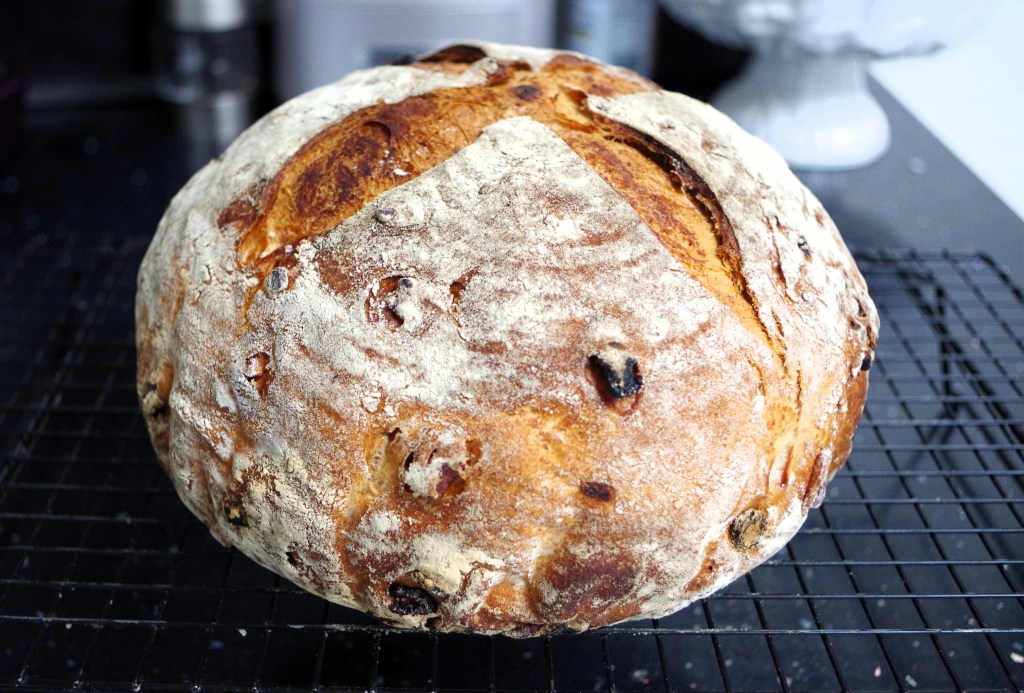
10. Test the loaf by tapping it. A firm, hollow sound and feel indicates that it has baked. Cool on a wire rack and try very hard not to cut and eat it too early.
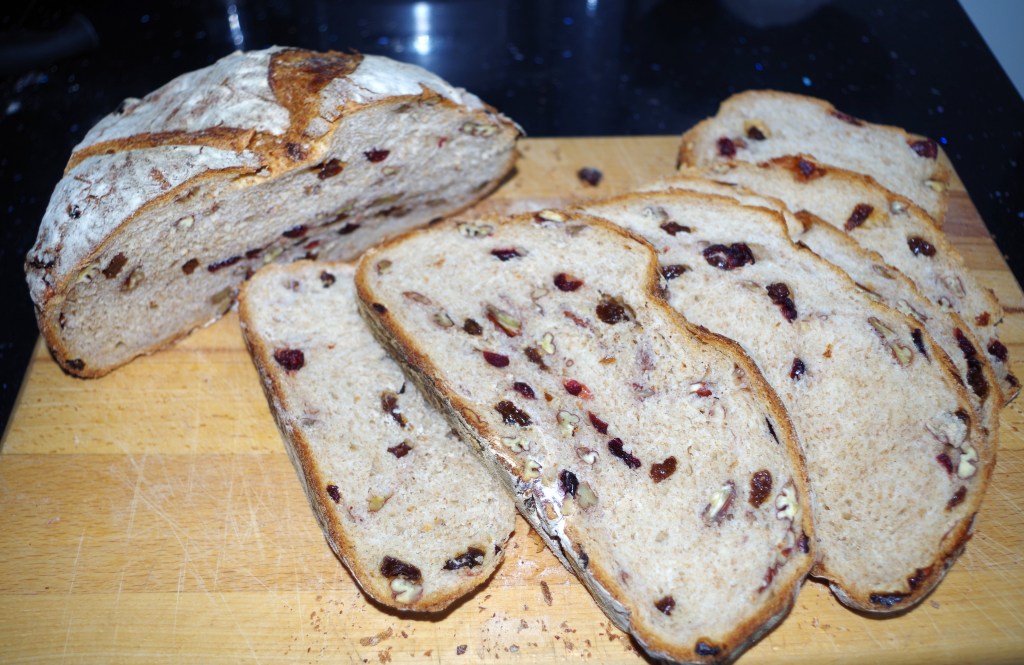
I wish you every success with your bread making. I hope you have a go at this one and enjoy making and eating a lovely loaf. If you want to see more of my bread recipes click this link.
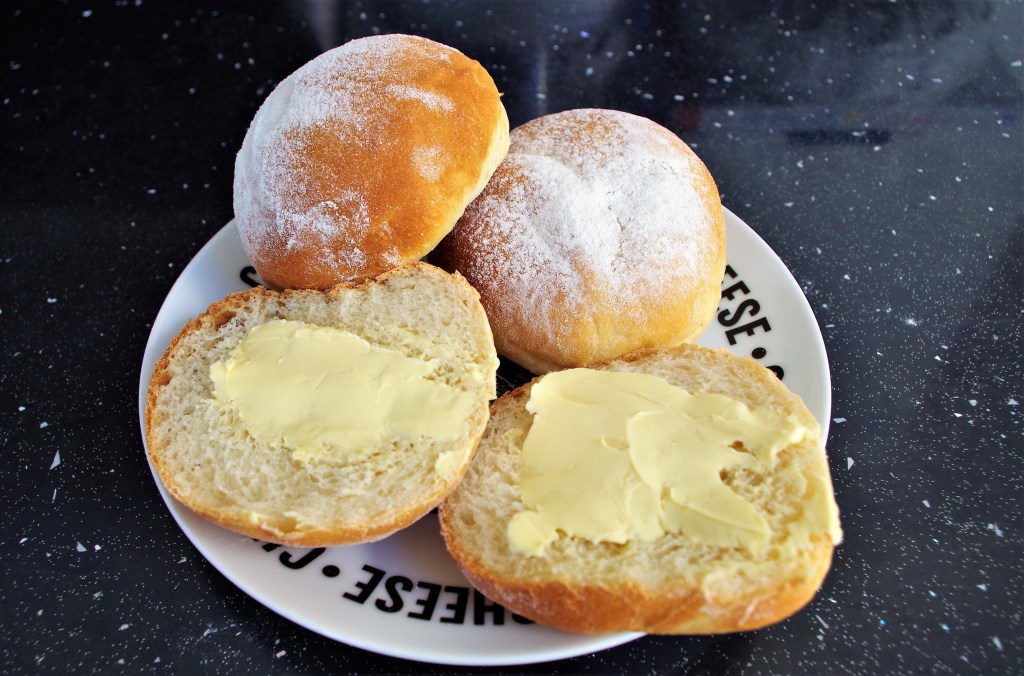
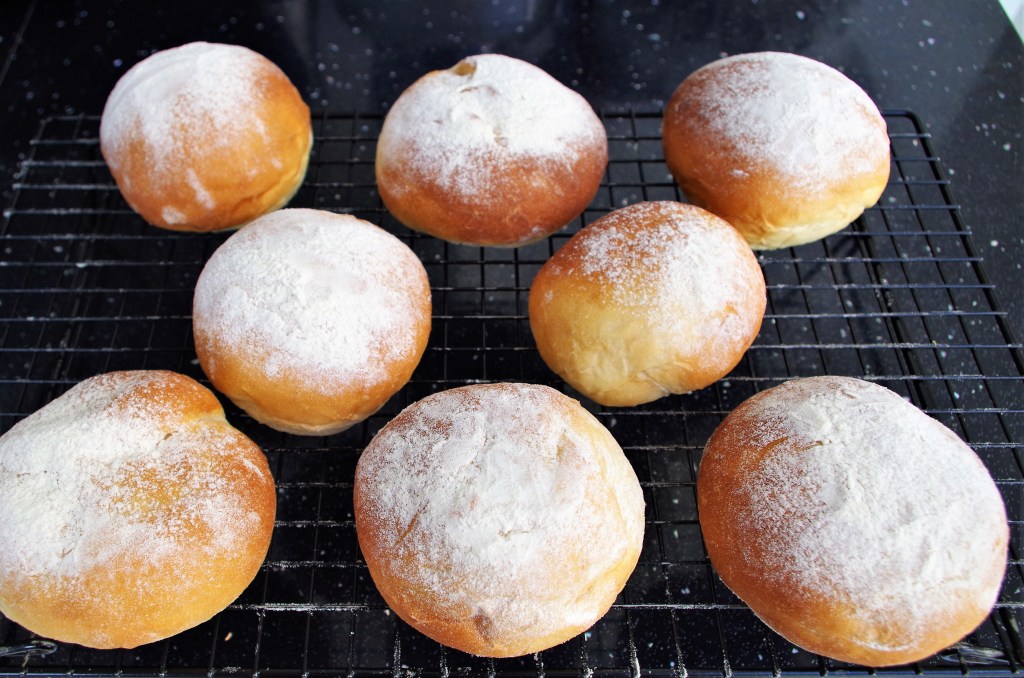
Here are some quite different breads that you might want to try:

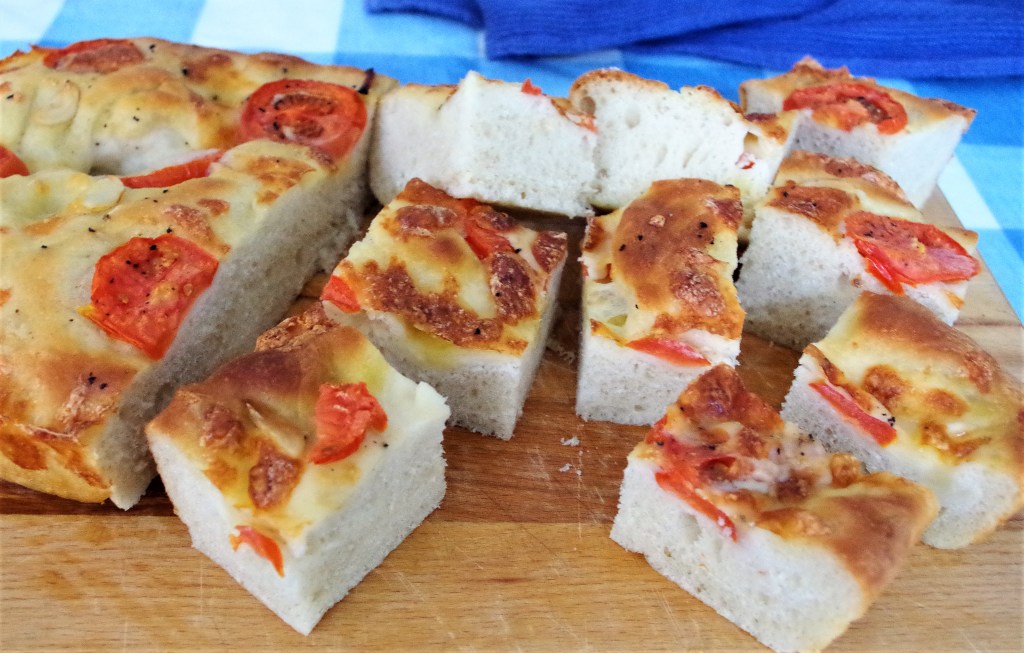
Focaccia con Mozzarella, pomodoro e aglio




If you’d like to make a comment or ask a question please do, via the contact page.
 Retired Bloke on Food n stuff